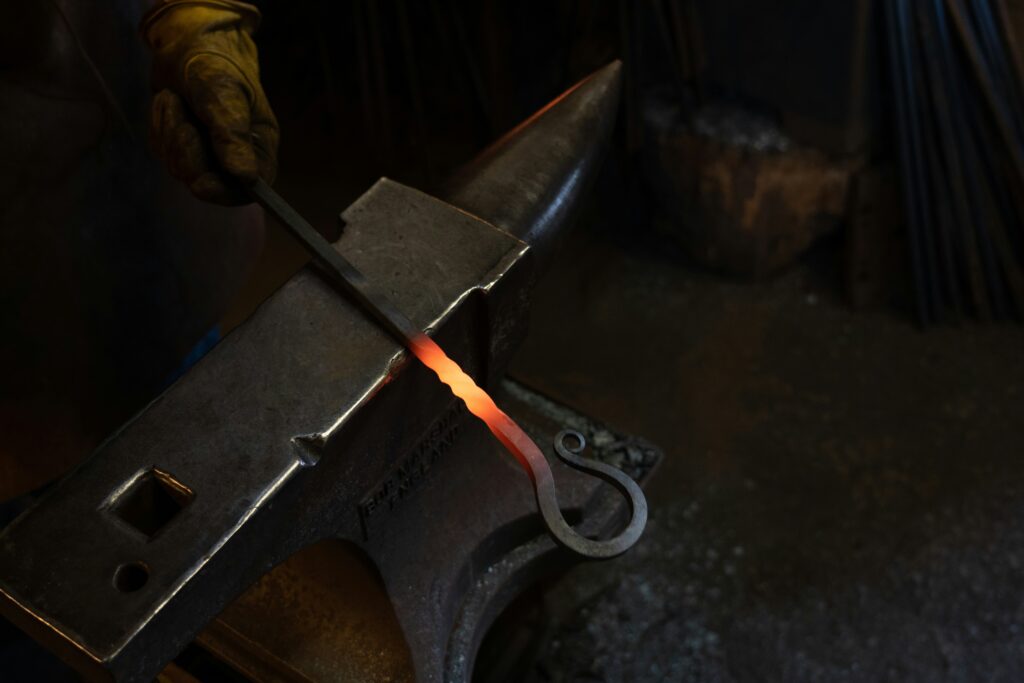
Ever tried hammering a piton into granite at 2,000 feet above the ground, only for it to slip out moments later? Yeah, us too. It’s humbling—and terrifying. Here’s the thing about piton use in big wall climbing: it’s equal parts art and science. But get it wrong, and you might as well be dangling from dental floss.
In this guide, I’ll break down how to master pitons (without turning your climb into an unplanned rappel). You’ll learn why they’re still relevant, their best practices, common pitfalls, and how to avoid them. By the end of this post, you’ll know exactly when and how to deploy these tools like a pro—or leave them at home altogether.
Table of Contents
- Why Pitons Still Matter in Climbing
- Step-by-Step Guide on Using Pitons Safely
- Tips & Best Practices for Effective Piton Placement
- Real-Life Examples Where Pitons Saved the Day
- Frequently Asked Questions About Piton Use
Key Takeaways
- Pitons are not obsolete but should be used sparingly due to environmental concerns.
- Proper placement requires precision and understanding of rock types.
- Always carry backup gear because relying solely on pitons can lead to disaster.
Why Pitons Still Matter in Climbing
Optimist You: “Pitons have been around forever—they must work!”
Grumpy You: “Sure, if you enjoy fixing ugly scars on pristine walls.”
Jokes aside, here’s the truth: while modern climbers favor cams and nuts, pitons remain indispensable for specific scenarios. Think thin cracks, icy overhangs, or that stubborn section where nothing else fits.
But let’s address the elephant in the room: environmental impact. Pitons leave permanent marks, which is why many crags ban them outright. So, before whipping out your hammer, ask yourself: Do I really need this?
A Personal Story: The Time My Piton Failed Me
I once hammered what I thought was “the perfect” piton into a crack halfway up El Capitan. Cue five minutes of admiring my handiwork. Then gravity happened—the damn thing popped right out mid-weight test. Lesson learned: don’t rely blindly on gear, no matter how much faith you put into it.
Step-by-Step Guide on Using Pitons Safely
Using pitons effectively isn’t rocket science—but it’s close. Follow these steps:
Step 1: Assess the Crack
Not all cracks are created equal. Look for smooth, parallel-sided fissures that match your piton’s blade shape. If the crack’s flared or irregular, opt for another piece of gear instead.
Step 2: Choose the Right Piton
Different materials serve different purposes. Steel pitons are durable but heavier; titanium ones weigh less but come with a steeper price tag. Match the tool to your objective.
Step 3: Hammer Gently (Yes, Gently)
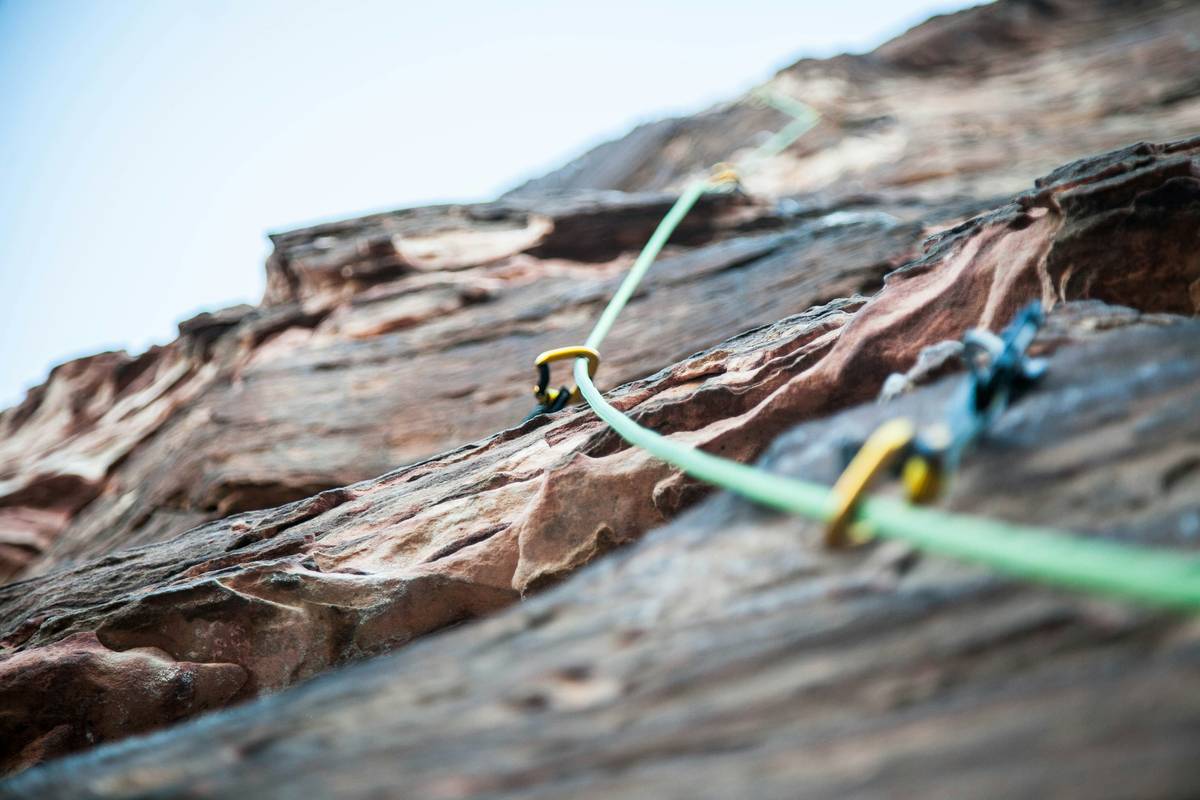
No one wants to hear “wham-wham-wham” echoing across the valley. Tap lightly until the piton feels snug—but not overly tight. Overdriving increases the risk of cracking the surrounding rock.
Sounds simple, right? Well, here’s my rant:
“For crying out loud, stop treating your piton like Thor’s Mjölnir! Too many climbers bash away recklessly, leaving unsightly damage behind. Show some respect for the rock—it’s older than humanity itself!”
Tips & Best Practices for Effective Piton Placement
- Know Your Rock Type: Granite loves pitons, sandstone hates them. Always research beforehand.
- Inspect Before Trusting: Give each piton a tug test once placed. If it wobbles, remove and try again.
- Minimize Visual Impact: Opt for recessed placements whenever possible to reduce scarring.
One Terrible Tip Disguised as Advice:
“If unsure, just jam multiple pitons next to each other!” Spoiler alert: This creates more problems than solutions.
Real-Life Examples Where Pitons Saved the Day
Remember Tommy Caldwell’s Dawn Wall ascent? Yep, he used pitons sparingly during desperate sections. They weren’t his go-to protection, but having them available made all the difference.
Or consider Lynn Hill’s iconic free climb of The Nose. Sometimes, even legends require a little help from trusty old-school gear.
Frequently Asked Questions About Piton Use
Are Pitons Necessary for Modern Climbing?
Mostly no. Nuts, cams, and bolts suffice for the majority of routes today. However, specialized situations demand specialized gear—including pitons.
Can Beginners Learn to Use Pitons Effectively?
Absolutely—but under supervision. Practice in safe environments before trusting your life to one on a real climb.
What Happens If a Piton Breaks Under Load?
Don’t panic—most failures occur during testing, not actual falls. That said, redundancy is key. Always pair pitons with additional anchors.
Conclusion
Mastering piton use in big wall climbing takes patience, practice, and humility. While they may seem outdated, these humble tools retain their value in tricky terrain. Just remember: use them wisely, sparingly, and responsibly.
Chef’s kiss to anyone who balances tradition with innovation. Now go tackle those walls—but maybe bring along some backups… just saying.
And finally, a haiku for you:
Hammer taps softly,
Metal meets ancient stone face,
Respect every blow.