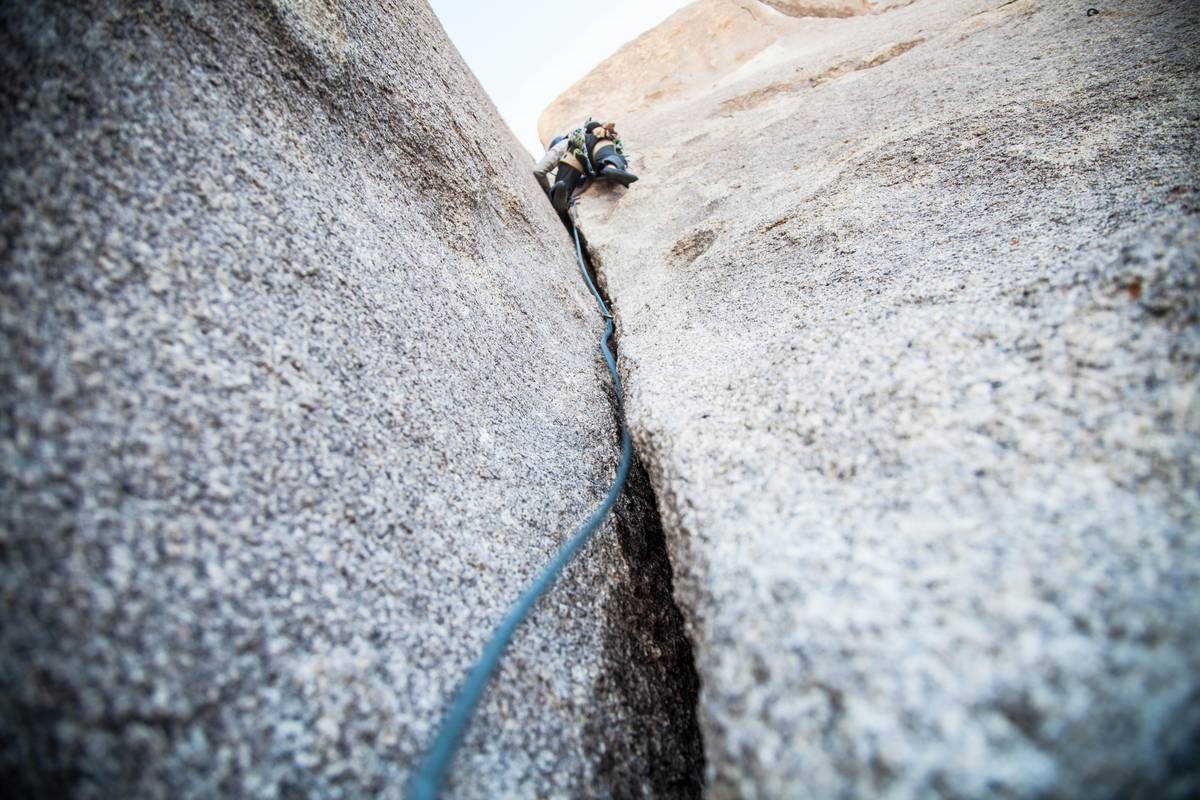
Ever stood at the base of a towering cliff, gazing up at its jagged glory, only to realize you might be about to harm one of nature’s most pristine sanctuaries? Yeah, us too. Pitons—the trusty climbing gear that have saved countless climbers—are also sparking heated debates among adventurers and park rangers alike.
In this blog post, we’ll explore piton ethics in national parks, shedding light on how climbers can enjoy their passion while respecting fragile ecosystems. You’ll learn why pitons matter, the dos and don’ts of using them responsibly, real-world examples of ethical vs. unethical practices, and answers to FAQs like “What can I use instead of pitons?” Ready? Let’s dive in!
Table of Contents
- Why Piton Ethics Matter
- How to Use Pitons Responsibly
- Top Tips for Ethical Climbing Practices
- Real-World Examples of Good (and Bad) Practices
- FAQs About Pitons and National Park Conservation
Key Takeaways
- Pitons, when improperly used, damage rock formations and disrupt wildlife habitats.
- National parks enforce strict rules for gear usage; ignorance isn’t an excuse.
- Alternatives like cams and nuts are often better choices for sustainable climbing.
- Respect leave-no-trace principles: It’s not just eco-friendly—it keeps parks open for future climbers.
Why Piton Ethics Matter in National Parks
Cracks left behind by improperly placed pitons highlight the environmental toll.
Climbers love the thrill of scaling vertical walls—nature’s ultimate challenge—but every hammer strike leaves a mark. While modern pitons allow for safer ascents, repeated misuse has scarred iconic climbing routes across national parks worldwide. These scars aren’t just aesthetic blunders; they weaken the structural integrity of rock faces and disturb delicate ecosystems.
This issue isn’t hypothetical. Yosemite National Park famously banned pitons from some areas after decades of abuse led to significant geological degradation. Now imagine losing access to your favorite crag because someone couldn’t resist leaving their mark… literally.
“Climbing without conscience is like dumping trash under your bed—you think it’s hidden until it stinks.”
How to Use Pitons Responsibly in National Parks
If you’re dead-set on bringing pitons along, here’s how to do so ethically:
Step 1: Understand Local Regulations
Before setting foot on any trail, research the specific guidelines for climbing equipment in that park. Some parks outright ban pitons, while others require permits or limit their use to designated spots.
Step 2: Minimize Placement Points
Less is more. Limit the number of new placements and prioritize reusing existing holes. This minimizes visual impact and reduces strain on the rock face.
Step 3: Choose Alternatives When Possible
Pitons aren’t always necessary. Gear like camming devices and hexes provide excellent security with minimal environmental impact. They’re basically the keto diet of climbing gear—effective yet guilt-free.
Step 4: Remove What You Place
If regulations permit piton removal, clean up your mess. Leave no trace. Trust me, nobody wants to inherit your half-buried hardware next time they ascend.
Top Tips for Ethical Climbing Practices
Luckily, being mindful doesn’t mean giving up fun. Here are practical tips for keeping things green:
- Do Your Homework: Familiarize yourself with local flora, fauna, and geology before heading out.
- Avoid Wildlife Disturbance: Stick to established trails and avoid nesting sites during breeding seasons.
- Pack Out Everything: That includes food wrappers, chalk residue, and yes—even rusted pitons.
- Spread Awareness: Share knowledge with fellow climbers. Dialogue builds community responsibility.
Real-World Examples of Good (and Bad) Practices
Let’s look at two contrasting stories to see what happens when piton ethics shine—or fail:
Case Study #1: The Devil’s Tower Triumph
At Wyoming’s Devil’s Tower, climbers voluntarily adopted “Leave No Trace” protocols, including limiting piton placements. Today, the site remains breathtakingly intact despite heavy visitation.
Case Study #2: A Rocky Legacy in Joshua Tree
In contrast, overzealous piton use in Joshua Tree National Park caused irreversible scarring on several popular routes. Authorities responded by cracking down on enforcement, souring relationships between conservationists and climbers.
FAQs About Pitons and National Park Conservation
What’s So Bad About Using Pitons?
Nothing—if done sparingly and appropriately. But excessive reliance damages rocks irreversibly. Think twice before leaving permanent marks where none existed before.
Can I Still Climb Without Them?
Absolutely! Modern alternatives like passive protection pieces work wonders. Just remember: practice makes perfect.
What Happens If I Break Rules?
Parks take violations seriously. Expect fines, suspension of privileges, or even legal action depending on severity.
Conclusion
Exploring national parks as a climber should inspire awe—not remorse. By adhering to piton ethics in national parks, you ensure these natural marvels stay wild and accessible for generations to come.
Optimist You: “We can totally climb sustainably!”
Grumpy You: *Eye roll* “Sure, but let’s not ruin everything in the process.”
Kids today will never understand dial-up modems—but then again, neither should they understand ruined cliffsides. 🐢💨

